Fieldnotes
Expert Insights from Congregational Observers
By Nancy Ammerman
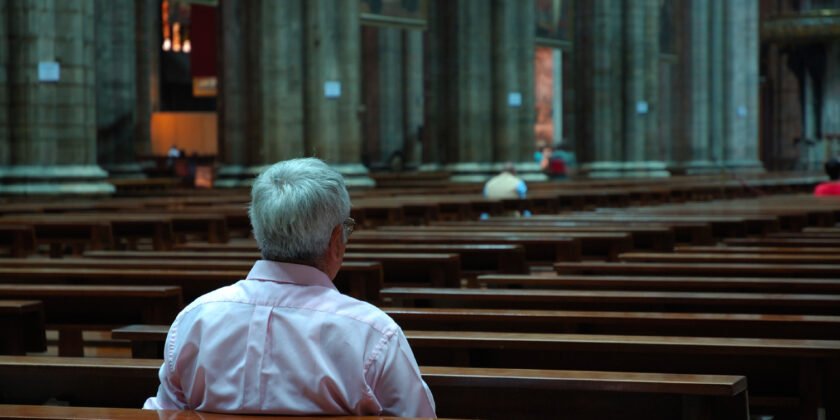
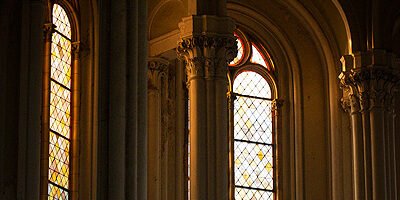
Two stories back in 2014 had me thinking about that old children’s finger play – “Here’s the church, here’s the steeple, open the doors and see all the people.” Congregations certainly are “the people.” But most are also the building and all the “stuff” they accumulate.
By Nancy Ammerman
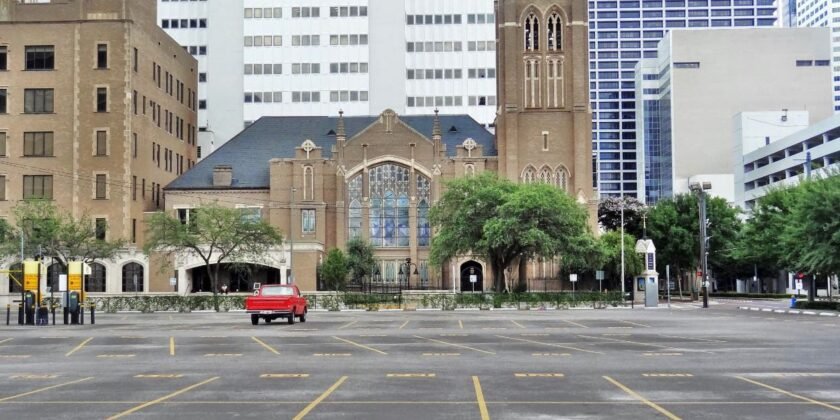
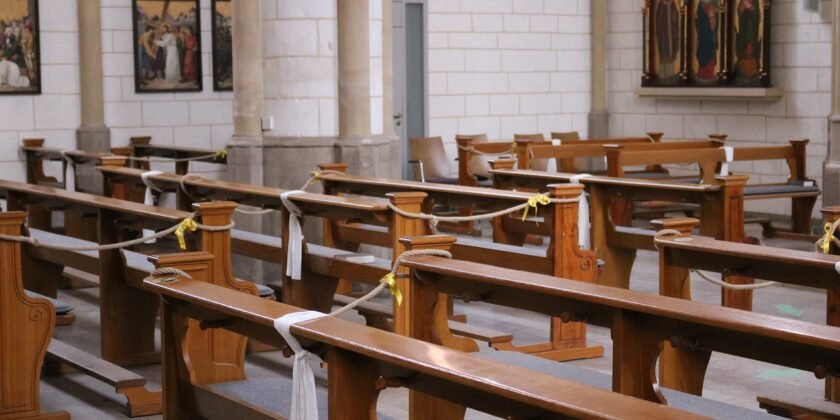
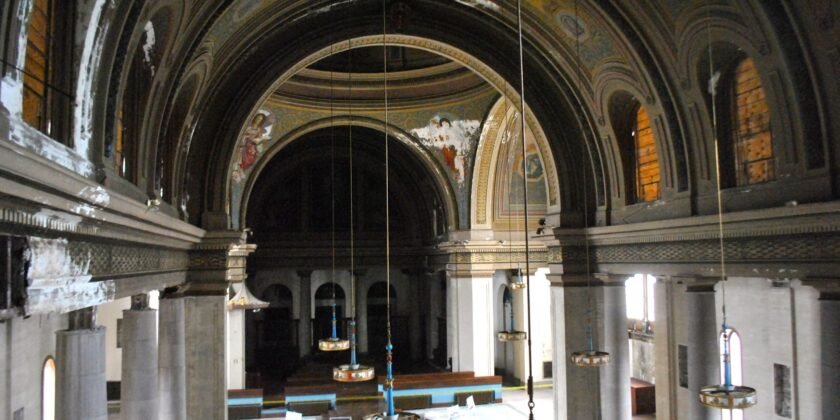
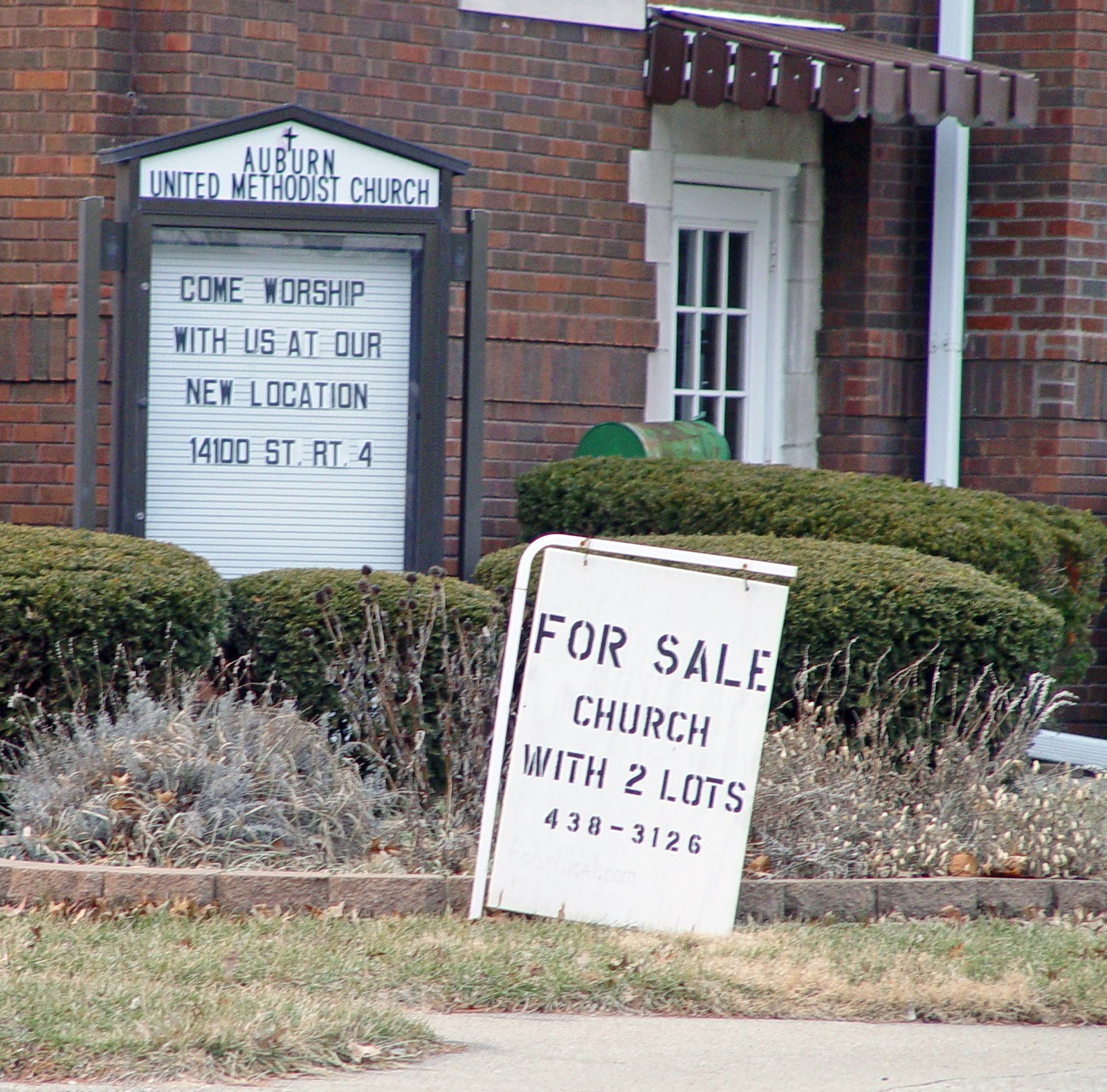
A recent article in The Atlantic proclaimed ”an epidemic of empty churches.” And the very same week the Washington Post asked, ”Does a religious community need its own building to flourish?” Both authors pointed to the reality that buildings are often a problem, and finding the right solution will require congregations and their leaders to do a careful assessment of their resources — but also of their place in the community and their own culture and theology.
By Nancy Ammerman
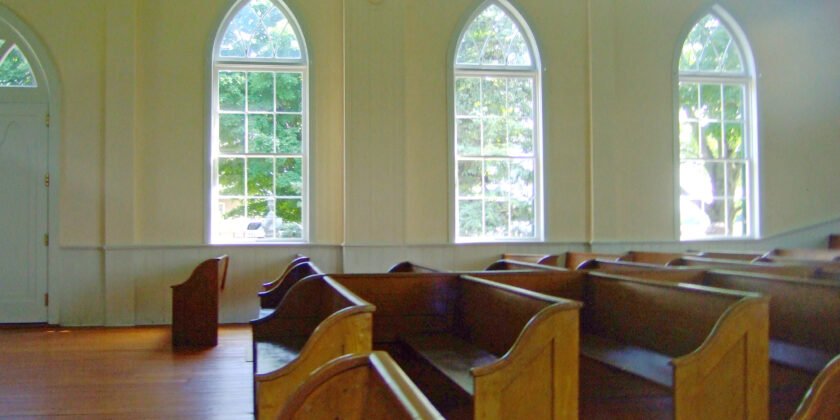
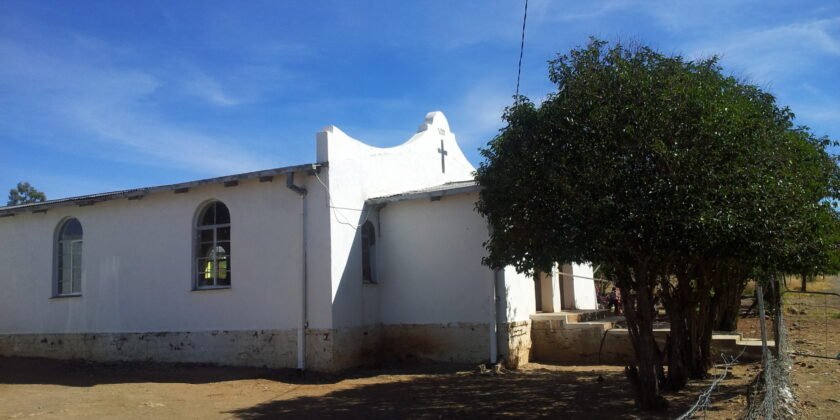
Nobody really knows how many there are or how much all that real estate is worth, but the buildings owned by religious congregations are a formidable physical presence in virtually every American community. Elsewhere in the world, they are no less present – from grand cathedrals and temples to humble shrines and improvised shelters. People of faith build physical places in which to gather. The National Congregations Study reports that nearly 90% of US congregations meet in buildings they (or their denomination) own.
By Deborah Ann Wong
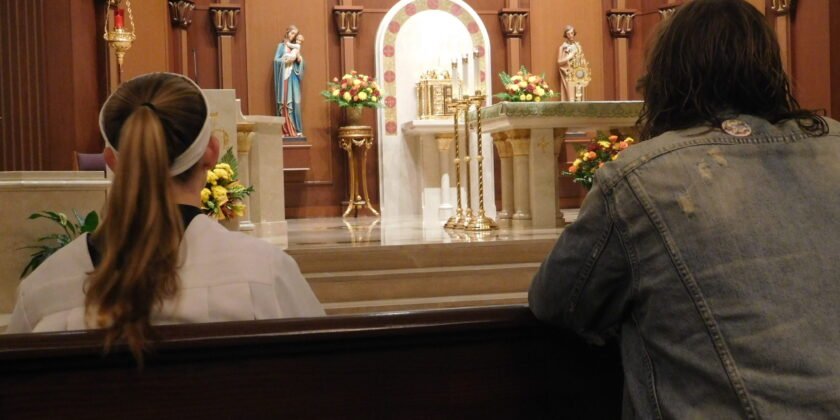
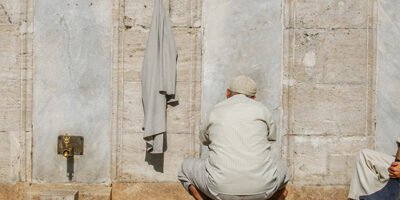
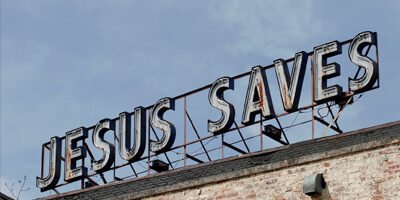
Where does one go to find God? Quite commonly, a place of worship. Even people who aren’t sure if God exists seek divine help in churches and mosques and cathedrals because such religious buildings are understood as sacred spaces. If God does exist, surely God will be found in these holy places.
By Paul D. Numrich
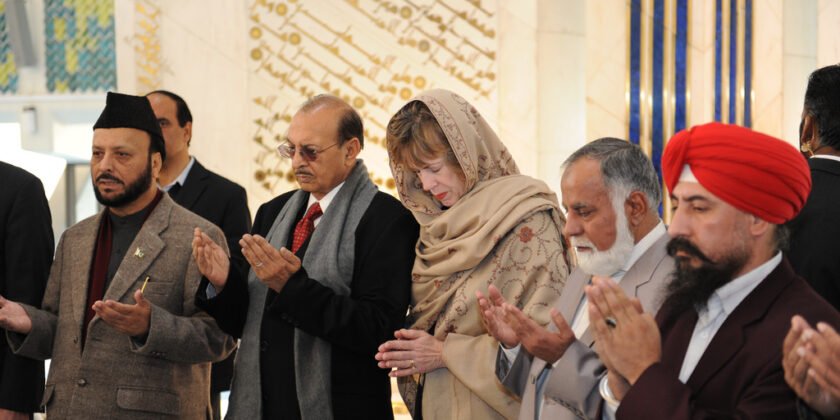
What happens when a Catholic church provides overflow parking to a Hindu temple? Is it primarily an exchange of resources? Or is something more going on? In our book on immigrant congregations, Sacred Assemblies and Civic Engagement, Fred Kniss and I noted with surprise the number of shared parking arrangements we encountered in Chicago.
By Ellen Childs
In 2014, PBS aired a Religion & Ethics Newsweekly report on closing churches in Philadelphia. Look at the description of congregational resources, their membership, commitment, financial and physical resources.
By Paul D. Numrich
Ask someone why a congregation would share its facilities with an outside group or organization, and you may get the answer, “It’s all about the money.” Congregations need operating funds, and rental income is an obvious source of income, correct?
By Ellen Childs
Urban congregations across the country are dealing with aging buildings and declining rates of attendance, while the property values surrounding the congregation grow. Churches across New York City are leveraging their space and air rights to unused property to developers. This article from The Real Deal even gives an example of Bethel Gospel Assembly in Harlem developing a faith-based property development. While some apartments were saved for affordable housing, others sold for full-value.

Demographic Doom?? Or Maybe Not

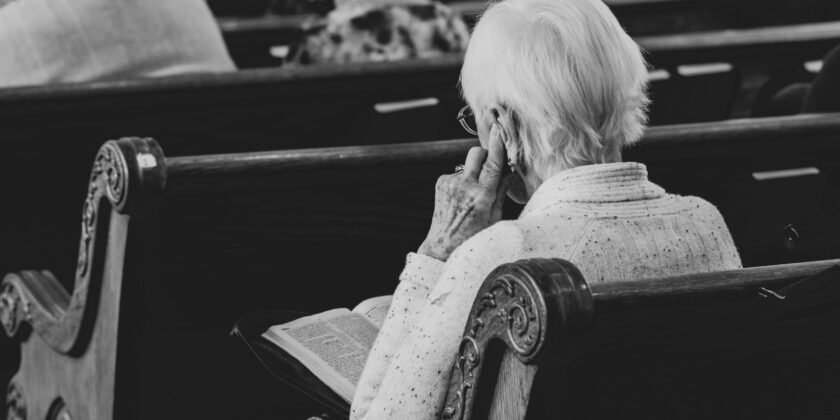
Photo by Rosemary Williams on Unsplash

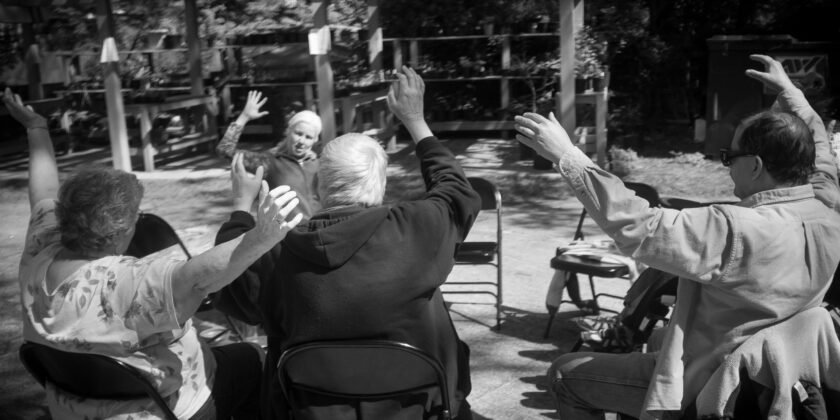
It’s true that many congregations have more senior adults than the population around them might predict. Indeed, a quarter of all congregations are more than half retirement age or older. Both members and leaders in such congregations may look at their aging membership and think they are doomed.   But are they? While there are…

Read Article
Search Our Archives

Since 2012, StudyingCongregations.org has published over 200 articles on how and why people of faith gather. Just go to the search box at the top center of the page and type in something you’re curious about. Explore a wide range of topics such congregational conflict, the Nones (non-affiliation), race & ethnicity, and civic engagement. Learn more about various methods of study including demographics, interviews, and walking the neighborhood. Or focus your curiosity on religious & cultural traditions such as African American congregations, Latinx congregations, Catholic parishes, and more.