

I’ve been thinking a lot about history lately – how we tell complicated stories and how we know about the past. Maybe that’s because I’m cleaning out my attic!
How do we know?
Students of congregations have a great new data source available at The ARDA. In the first half of the 20th century, the US Census Bureau conducted an accounting of “religious bodies.” In 1906, 1916, 1926, and 1936, they asked about membership and finances and property and more. Thanks to Professor Melissa Wilde and her research team, those data have now been digitized so that we can get a much closer look at the congregations of the last century.
As a first taste of what these earlier census data can tell us, Wilde and her colleagues took a look at just how big a property wealth advantage Mainline Protestants had in those early years. That matters now, because just as families gain “generational wealth” from the property owned by those who came before us, so do congregations. You can find more about the data and what they’ve learned so far in the Journal for the Scientific Study of Religion.
“Whether you sit down for an oral history interview or dig through boxes in an attic, you will likely see the present in a new light.”
“
How do we tell the story?
Good records matter, but so do the choices we make about what questions we ask and how to write about them.
The newly updated bibliography on our site includes several important new histories exploring how congregations shape and are shaped by the history that surrounds them. I was especially struck by a group of books with eyes on the history of race in the cities of the American South, each peering at a single congregation, each looking from a different angle.
African American historians have been contributing to the history of Black churches in the South. Kimberly Matthews and her colleagues have chronicled the history of Richmond’s First African Baptist Church, while Leah Mickens has explored the experiences of Our Lady of Lourdes Catholic parish in Atlanta, a parish that is “In the Shadow of Ebenezer.”
Kevin Sack’s history looks at how Emanuel African Methodist Episcopal Church in Charleston, SC – site of Dyllan Roof’s horrific rampage – became “Mother Emanuel.” It places that congregation in a longer story of survival and leadership.
A much different kind of leadership came from the pews of St. Paul’s Episcopal Church in Richmond, known as the “Cathedral of the Confederacy.” Christopher Alan Graham has written something of a confessional book about his congregation and its long legacy of White supremacy.
In contrast, the people of Binkley Memorial Baptist Church, in Chapel Hill, North Carolina, attempted from their 1958 start to defy the region’s segregationist norms. Still, Andrew Gardner notes, their progressive vision was also often shaped by their whiteness.
History Matters
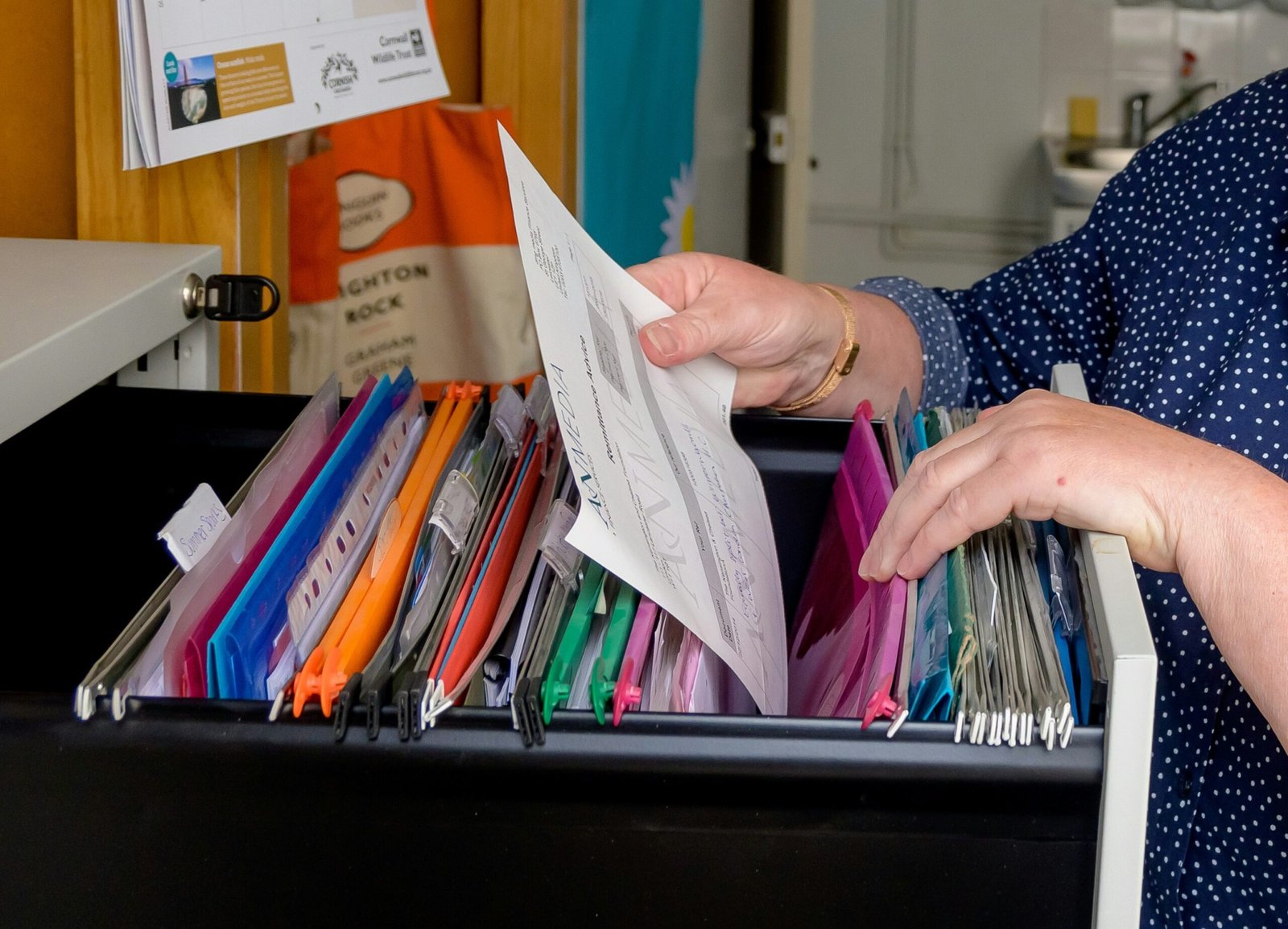
If you are thinking about how the congregations you are observing have been shaped by history, take a look at the tools in our toolkit, and explore what our contributors have written. Whether you sit down for an oral history interview or dig through boxes in an attic, you will likely see the present in a new light.
