
We hear a lot about ‘food deserts’ or ‘health care deserts.’ But are there ‘congregation deserts’? That is, neighborhoods where there simply aren’t any nearby places for religious gathering.
When the Boston Globe did a story about a neighborhood grappling with questions about a major redevelopment project, they noted that neighbors had a hard time finding a place to gather. “Even the fact that everyone was meeting on the first floor of a biotech lab speaks to one of the neighborhood’s most pressing needs: a library or some other signature civic space,” said Globe writer Jon Chesto.
That got me curious, and I did a quick search on Google Maps for “churches” or “synagogues” or “temples” in that neighborhood. Sure enough I came up nearly empty: One small Catholic parish oriented to the port community, and a Unitarian “congregation without walls” – neither oriented to the new neighbors.
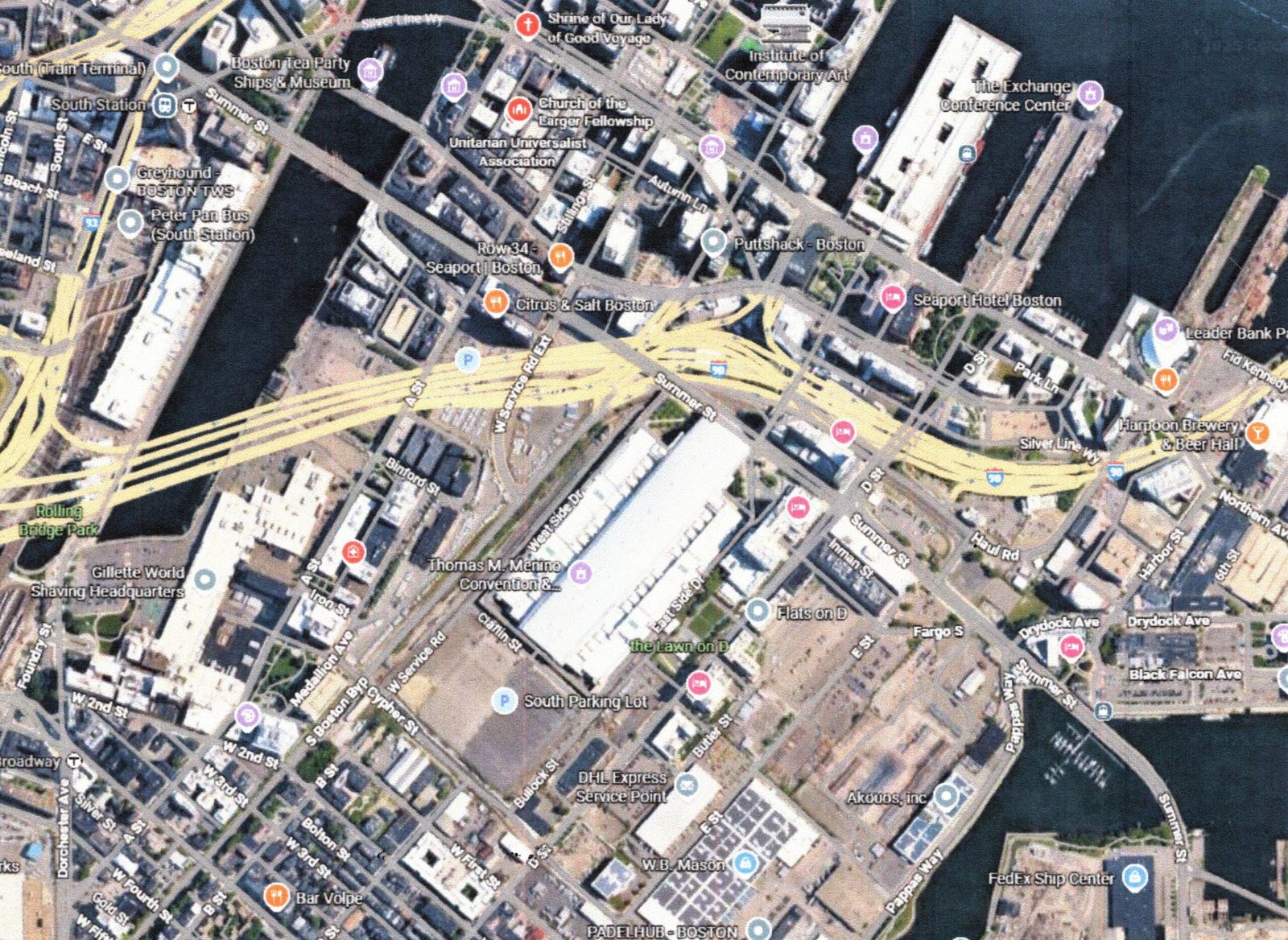
When the developers built all those new apartments and condos and offices and bars and restaurants, no one thought to build any places of worship. Perhaps not surprising, since the new residents are overwhelmingly young adults, and that’s the demographic least likely to identify with any religious tradition.
But now people are discovering what’s missing when there aren’t any congregations in the neighborhood – gathering spaces, places where needed services are collectively organized, places where people meet each other and hold each other accountable, and, yes, places to be reminded of something bigger than oneself. If you need reminding about what congregations do for their neighborhoods, check out this Fieldnote.
“People are discovering what’s missing when there aren’t any congregations in the neighborhood.”
Examine Your Community
Perhaps now would be a good time to take a look at your own community. Are their rural areas where all the churches have closed? Are there new neighborhoods where no one has built a religious community space? Are there downtowns that have been hollowed out?
Check out the “Ecology” page for more ways to think about the spaces we inhabit. And check out the “Toolkit” for suggestions about Walking Tours, using Photos to explore your community or Census Data or just a look at Google Maps. It’s worth looking for those “congregation deserts” and thinking about how a religious gathering place might provide a needed community asset.
