




Fieldnotes
Expert Insights from Congregational Observers
By Nancy Ammerman
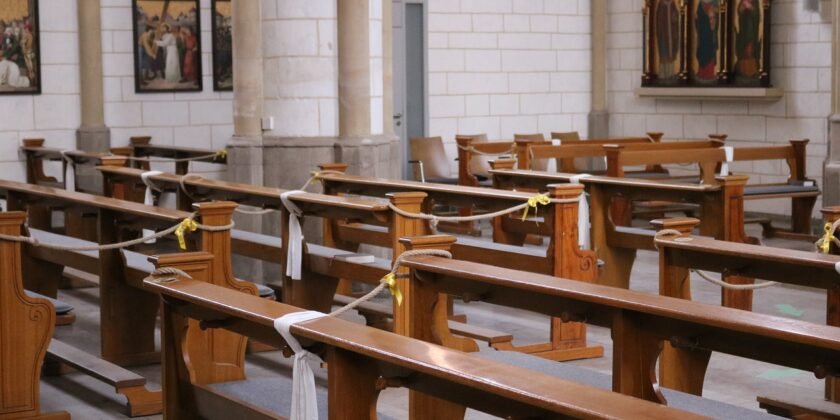
Photo by Pierre Bamin on Unsplash
"Whether you sit down for an oral history interview or dig through boxes in an attic, you will likely see the present in a new light."
By Paul D. Numrich
Ask someone why a congregation would share its facilities with an outside group or organization, and you may get the answer, “It’s all about the money.” Congregations need operating funds, and rental income is an obvious source of income, correct?
By Nancy Ammerman
Ever think about the good your congregation does for the community – even when you aren’t trying? Yes, we know that congregations are critical parts of every community’s safety net. As the Boston Globe reported, with thousands of refugees needing assistance, it is often faith communities that organize the food, shelter, clothing, and other assistance that is needed. Those are the obvious ways congregations help.
By Hannah Petersen
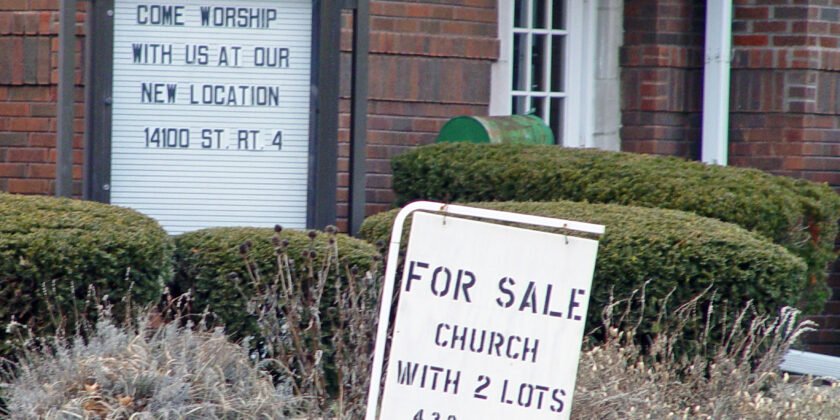
The landscape of religious and spiritual practice continues to change dramatically in the United States. Not nearly all spiritual gatherings take place in traditional congregations, nor is spiritual care provided only by clergy. The fastest-growing portion of the American religious population is those without religious affiliations, often called the “nones.” As the Pew Research Center has reported, they increased from 16% in 2006 to 28% currently. The impact of this disaffiliation is reflected in declining church attendance, congregation closure, and the renovation of traditional religious buildings into recreational centers, housing, and other community structures. Perhaps you have seen this shift in your congregations and neighborhoods.
By Ellen Childs
Ash Wednesday marks the start of the Christian period of Lent. Christians often receive a sign of the cross in ashes on their forehead and tend to wear that mark with pride throughout the day. It’s generally one day out of the year where the lines between secular society and personal belief are blurred, where people can recognize other Christians in their workplaces, play groups, or gyms.

Congregations and History

Photo by Pierre Bamin on Unsplash

I’ve been thinking a lot about history lately – how we tell complicated stories and how we know about the past. Maybe that’s because I’m cleaning out my attic! How do we know? Students of congregations have a great new data source available at The ARDA. In the first half of the 20th century, the…

Read Article

What does ‘attendance’ even mean anymore?

Between the pandemic and the spread of virtual meetings, congregations – like other organizations – are left to wonder what it means for people to ‘attend’ services. Attendance numbers can’t be deduced by counting the ‘butts in the pews,’ so YouTube views and Zoom participants have to be added to the mix. But what are…

Read Article
Search Our Archives

Since 2012, StudyingCongregations.org has published over 200 articles on how and why people of faith gather. Just go to the search box at the top center of the page and type in something you’re curious about. Explore a wide range of topics such congregational conflict, the Nones (non-affiliation), race & ethnicity, and civic engagement. Learn more about various methods of study including demographics, interviews, and walking the neighborhood. Or focus your curiosity on religious & cultural traditions such as African American congregations, Latinx congregations, Catholic parishes, and more.